

Engineering notes
Engineering choices drawn from our projects and specifications: boot, deployment, identity, payments, data and measurement. Each note follows a concrete task through its operation, evidence and failure boundaries.
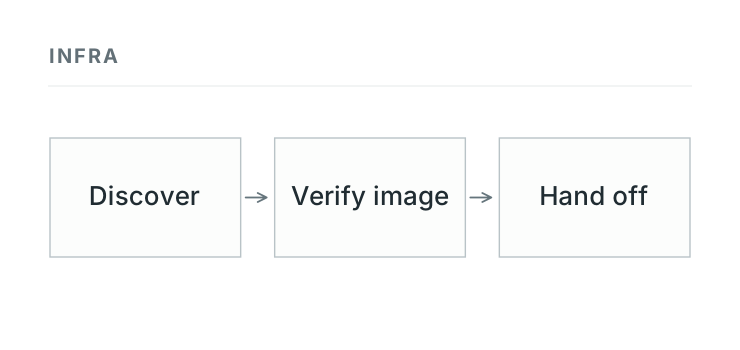
Boot and installation
From network boot to the first disk write
Both begin with network boot, but Infra hands off application execution while Yaoshi writes an authorized disk. Compare image checks, authority and result evidence to understand what a successful boot actually establishes.
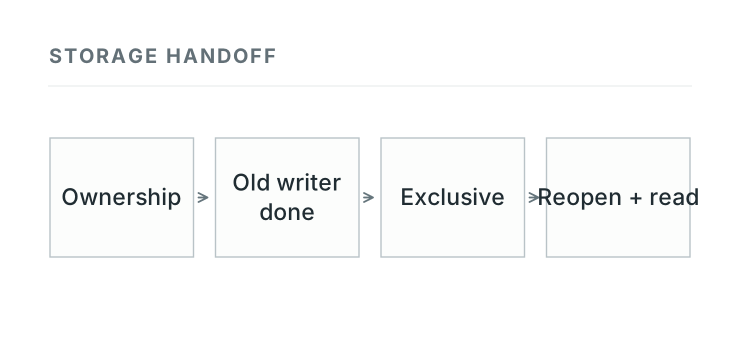
Storage and runtime
Before taking over a data disk
Seeing an existing disk does not establish that its data can be written again. FoundationDB and Yaostore illustrate which ownership records to retain, how to settle prior writers and when writing may resume.
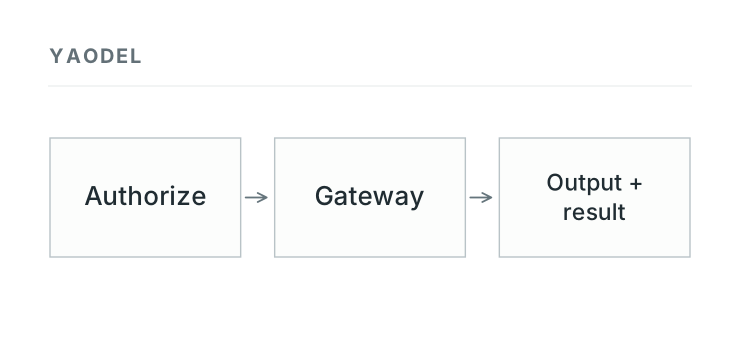
Models and persistence
Confirm content and charges after a disconnect
Display, history, gateway usage and the ledger are four different facts. Query them against the original request to establish what was saved, whether the result was delivered and whether a charge was posted.
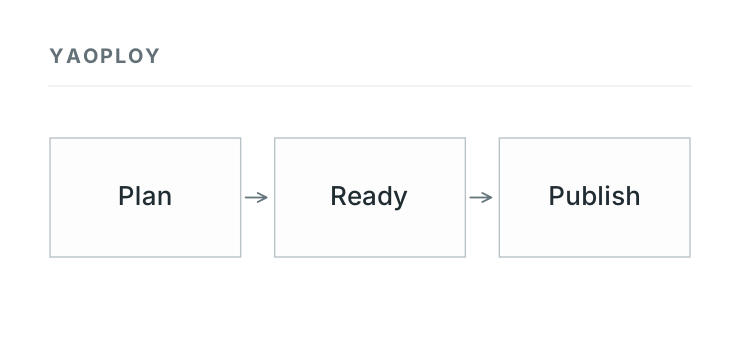
Deployment and readiness
The application started. Is it ready for requests?
A saved declaration, a live process, a readiness signal and a published route complete at different times. Follow Yaoploy into Yaogress to establish when a replica can serve a request.
Identity and callbacks
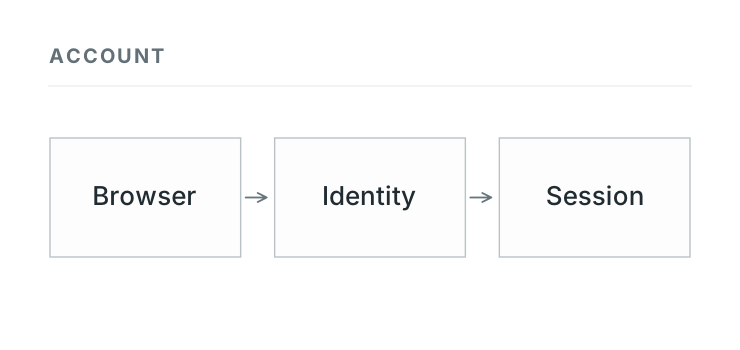
After sign-in returns, identify the original login
A browser can hold several sign-in windows and change sessions while a callback is in flight. Account retains the original intent, browser binding and one-use proof; the business application then establishes its own session.
Transactions and evidence
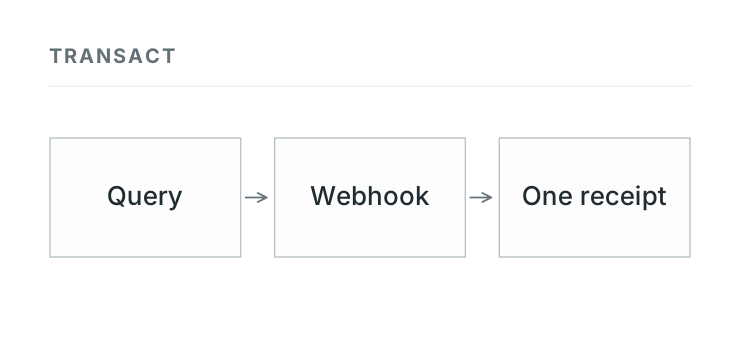
What evidence should confirm a payment?
Browser returns, success notifications and original-order queries may arrive in different orders. Transact checks them against a fixed order and provider binding so one payment produces one verifiable receipt.
Observability
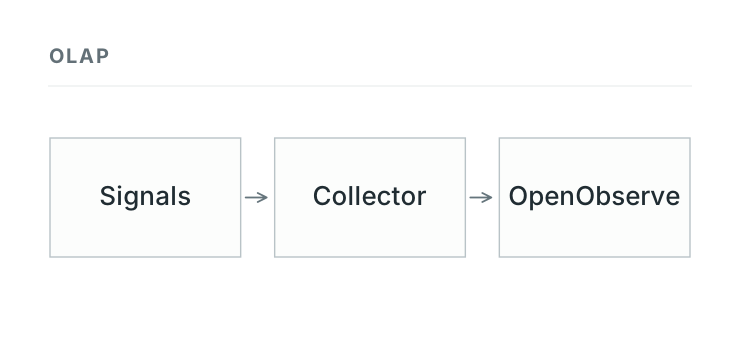
From an observation to a defensible conclusion
Logs, metrics and traces explain runtime behavior; business records establish committed outcomes. Useful charts preserve where observations reached, what they cover and what an empty result means.
Shared capabilities and composition
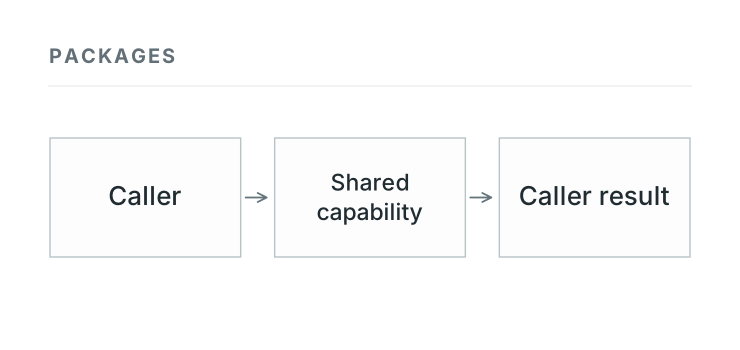
What should a shared package own?
Reuse is valuable when it completes a defined task. File delivery, process resources, transactions and interfaces each need a clear account of what the shared capability establishes and what remains with the caller.
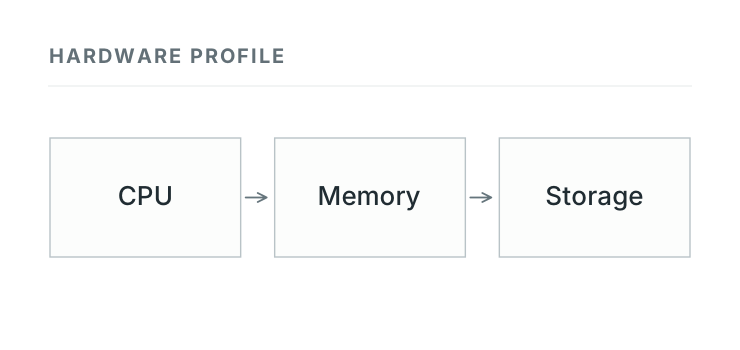
Hardware and measurement
What can a set of measurements establish?
Hardware configuration describes resources, runtime observations describe a moment, and performance samples time a particular task. Retaining subjects, clock boundaries and comparison premises makes an engineering conclusion reviewable.